Fuel System Tools for Pressure Testing and Line Disconnect
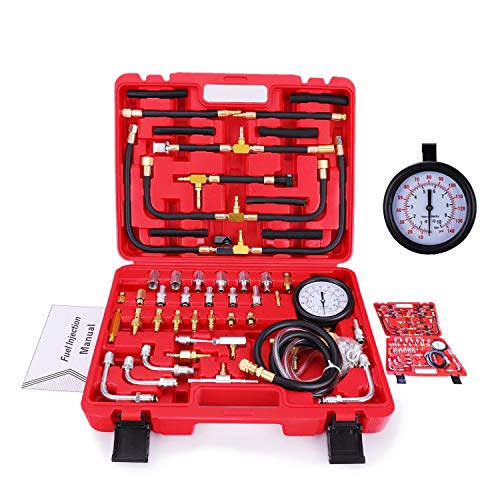
Master Fuel Pressure Test Kit
Comprehensive fuel system testing solution with universal adapters for gasoline and diesel engines. Includes precision gauge, quick-connect fittings, and complete adapter set for domestic and import vehicles across multiple model years.
Key Features:
- 0-100 PSI precision gauge with easy-read face
- Universal quick-connect fittings for all fuel systems
- Complete adapter set for domestic and import vehicles
- High-pressure rated hoses and connections
- Durable carrying case for organized storage
- Compatible with gasoline and diesel engines
- Professional-grade construction for shop use
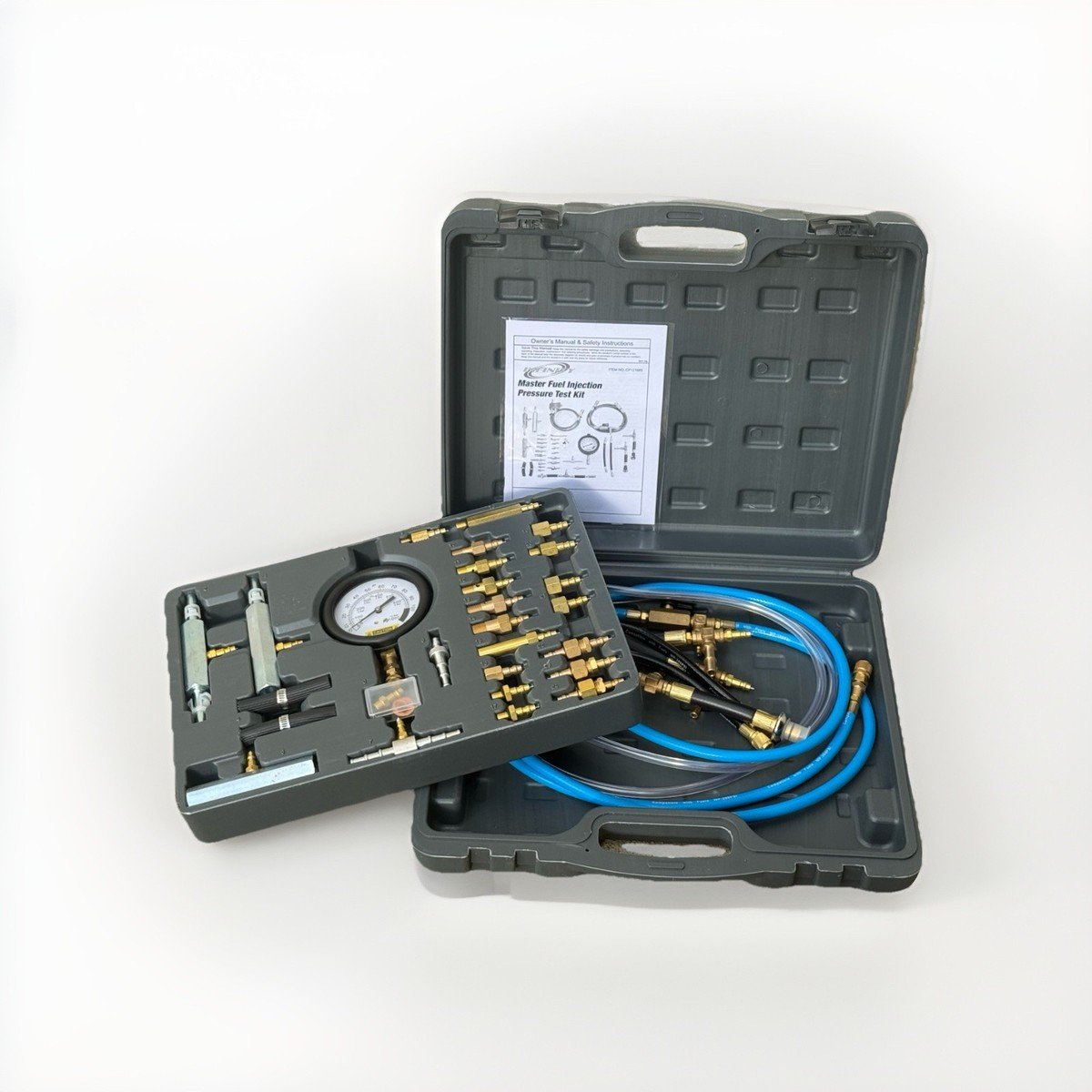
Professional Fuel Line Disconnect Tool Set
Essential disconnect tools for safe fuel line removal and installation. Features multiple sizes to accommodate various fuel line configurations found in modern vehicles, ensuring proper disconnection without damage to expensive fuel system components.
Key Features:
- Multiple disconnect tool sizes included
- Compatible with quick-connect fuel fittings
- Ergonomic handles for comfortable grip
- Hardened steel construction for durability
- Color-coded organization system
- Prevents fuel line damage during service
- Works with plastic and metal fuel connections
Understanding Fuel System Pressure Testing Fundamentals
Modern vehicle fuel systems operate under precise pressure specifications that directly impact engine performance and emissions control. An oem tools fuel pressure test kit provides technicians with the essential capability to diagnose fuel delivery problems accurately and efficiently.
Fuel pressure testing serves as the foundation for diagnosing fuel system issues ranging from clogged filters to failing fuel pumps. Without proper testing equipment, technicians often resort to guesswork or expensive component replacement without confirming the actual problem.
Pressure Testing Applications
Fuel pressure diagnostics apply to numerous vehicle service scenarios including driveability complaints, no-start conditions, and performance issues. The oem tools fuel pressure test kit enables comprehensive system evaluation by measuring static pressure, dynamic pressure under load, and fuel pump performance characteristics.
Professional technicians rely on accurate pressure readings to determine whether fuel delivery meets manufacturer specifications. This testing methodology prevents unnecessary parts replacement while ensuring proper diagnosis of complex fuel system problems that affect modern vehicles.
System Compatibility Requirements
Today’s vehicles incorporate diverse fuel system designs requiring specialized testing equipment and adapters. An oem tools fuel pressure test kit must accommodate both returnless and return-type fuel systems while providing connections for various fuel rail configurations.
Compatibility extends beyond basic connections to include pressure range capabilities for different engine types. Gasoline engines typically operate between 30-60 PSI, while diesel systems may require testing capabilities up to 100 PSI or higher depending on the application.
Essential Features of Professional Fuel Pressure Test Equipment
Professional fuel system diagnostics demand precision instruments capable of withstanding the rigors of daily shop use. The most effective oem tools fuel pressure test kit incorporates high-quality gauges, durable connections, and comprehensive adapter sets to handle diverse vehicle applications.
Gauge accuracy directly impacts diagnostic reliability, making precision measurement capability a critical feature. Professional-grade test equipment provides readings within 1-2 PSI accuracy to ensure technicians can identify subtle pressure variations that indicate developing problems.
Adapter and Connection Systems
Universal compatibility requires extensive adapter collections covering domestic, import, and specialty vehicle applications. The oem tools fuel pressure test kit should include quick-connect adapters, threaded connections, and specialized fittings for unique fuel system designs.
Connection reliability becomes paramount when working with pressurized fuel systems where leaks pose safety hazards. High-quality fittings and hoses prevent dangerous fuel spray while maintaining accurate pressure readings throughout the testing process.
Durability and Construction Standards
Shop environments demand robust construction capable of withstanding daily use, chemical exposure, and temperature variations. Professional test equipment features corrosion-resistant materials and reinforced connections that maintain accuracy over extended service life.
The testing process often involves working in cramped engine compartments where tools face potential impact damage. An oem tools fuel pressure test kit with reinforced construction and protective cases ensures long-term reliability even under challenging working conditions.
Fuel Line Disconnect Tools and Safety Procedures
Safe fuel line service requires proper disconnect tools designed specifically for quick-connect fittings found on modern vehicles. Improper disconnection techniques can damage expensive fuel lines or create dangerous fuel leaks during service procedures.
Fuel line disconnect tools eliminate the guesswork from fuel system service by providing the correct tool geometry for each fitting type. These specialized tools ensure proper release mechanism activation while protecting the fuel line and connector from damage.
Quick-Connect Fitting Types
Modern vehicles utilize various quick-connect designs including spring-lock couplers, push-connect fittings, and proprietary manufacturer-specific connections. Each design requires specific disconnect tool geometry to properly release the locking mechanism without damaging components.
Understanding fitting identification helps technicians select the appropriate tool from their disconnect kit. Visual inspection reveals fitting type through characteristic shapes, release tabs, or locking mechanisms that correspond to specific tool requirements.
Safety Considerations During Fuel Line Service
Fuel system service involves inherent safety risks requiring proper procedures and safety equipment. Technicians must relieve fuel system pressure before attempting line disconnection to prevent dangerous fuel spray or system damage.
Proper ventilation and fire prevention measures become essential when working with fuel systems, especially when combined with automotive service tools that may generate sparks. Following established safety protocols protects both technicians and shop facilities from potential fuel-related hazards.
Diagnostic Procedures Using Fuel Pressure Test Equipment
Systematic diagnostic procedures maximize the effectiveness of fuel pressure testing while ensuring accurate problem identification. The oem tools fuel pressure test kit provides the foundation for comprehensive fuel system evaluation when combined with proper testing methodology.
Begin fuel pressure testing with engine off, key on tests to evaluate fuel pump prime pressure and system integrity. This initial test reveals basic fuel pump operation and identifies major leaks or pump failure before proceeding to dynamic testing.
Dynamic Testing Procedures
Engine running tests reveal fuel system performance under actual operating conditions including fuel pump flow capacity and pressure regulation. The oem tools fuel pressure test kit enables monitoring pressure variations during engine load changes and acceleration events.
Fuel pressure should remain within manufacturer specifications throughout the RPM range while maintaining consistent readings during load variations. Significant pressure drops indicate fuel pump wear, restriction, or pressure regulator problems requiring further investigation.
Interpreting Test Results
Accurate test result interpretation requires understanding normal fuel system operation and common failure patterns. Low pressure readings may indicate pump wear, clogged filters, or restricted fuel lines, while excessive pressure suggests regulator failure or return line restrictions.
Comparing test results to manufacturer specifications provides definitive diagnosis rather than relying on general pressure ranges. Each vehicle model has specific pressure requirements that must be met for proper engine operation and emissions compliance.
Integration with Other Diagnostic Tools
Fuel pressure testing often works in conjunction with other diagnostic procedures including diagnostic tools for comprehensive system evaluation. Combining pressure testing with scan tool data provides complete understanding of fuel system performance and related engine management issues.
Maintenance and Care of Fuel System Testing Equipment
Proper maintenance ensures long-term accuracy and reliability of fuel pressure testing equipment while protecting the investment in professional diagnostic tools. The oem tools fuel pressure test kit requires regular inspection and care to maintain precision measurement capabilities.
Regular calibration verification helps maintain measurement accuracy throughout the equipment’s service life. Professional shops should establish calibration schedules based on usage frequency and manufacturer recommendations to ensure consistent diagnostic reliability.
Cleaning and Storage Procedures
Fuel residue and contamination can affect gauge accuracy and connection reliability if not properly addressed. Clean all components with appropriate solvents after each use and ensure complete drying before storage to prevent corrosion and damage.
Proper storage in protective cases prevents physical damage while keeping adapter sets organized and accessible. The oem tools fuel pressure test kit benefits from systematic organization that enables quick tool selection during diagnostic procedures.
Connection Maintenance
Regular inspection of hoses, fittings, and adapters identifies wear patterns or damage before they compromise testing accuracy. Replace worn components promptly to maintain system integrity and prevent dangerous fuel leaks during testing procedures.
Similar maintenance principles apply to other specialized equipment including vacuum pump systems and coolant system tools used in comprehensive vehicle service. Proper care extends equipment life while maintaining professional diagnostic capabilities.
Advanced Applications and Troubleshooting Techniques
Advanced fuel system diagnostics require sophisticated testing techniques that go beyond basic pressure measurement. The oem tools fuel pressure test kit enables complex diagnostic procedures including flow testing, pressure drop analysis, and component isolation testing.
Flow testing reveals fuel pump capacity under load conditions that static pressure tests cannot detect. This advanced technique identifies pumps that maintain pressure at idle but fail to deliver adequate flow under high-demand conditions.
Component Isolation Testing
Systematic component isolation helps pinpoint specific failure points within complex fuel systems. By testing pressure at various points throughout the fuel delivery path, technicians can isolate problems to specific components or sections.
This methodology proves particularly valuable when diagnosing intermittent problems or multiple component failures that complicate standard diagnostic procedures. The oem tools fuel pressure test kit provides the flexibility needed for comprehensive system evaluation.
Integration with Hydraulic System Diagnostics
Modern vehicles incorporate various hydraulic systems that benefit from similar pressure testing principles used in fuel system diagnostics. Understanding pressure testing fundamentals applies to brake system service and other hydraulic applications throughout the vehicle.
The diagnostic skills developed through fuel system testing transfer to other automotive systems including power steering, transmission, and hydraulic suspension components. This knowledge integration increases overall diagnostic efficiency and technical expertise.
Professional Development Applications
Mastering fuel system diagnostics requires continuous learning and skill development as vehicle technology evolves. The oem tools fuel pressure test kit serves as a foundation tool for building advanced diagnostic capabilities that adapt to changing automotive technology.
Staying current with fuel system technology includes understanding alternative fuel systems, hybrid vehicle integration, and emerging diagnostic challenges. Professional technicians must continuously expand their knowledge base while maintaining proficiency with fundamental diagnostic tools and procedures.
Frequently Asked Questions
Professional Fuel System Diagnostics Made Reliable
Effective fuel system diagnostics depend on having the right tools and understanding proper testing procedures. An oem tools fuel pressure test kit provides the foundation for accurate problem diagnosis while ensuring safe service procedures that protect both technicians and vehicles.
The investment in quality testing equipment pays dividends through improved diagnostic accuracy, reduced comebacks, and enhanced customer satisfaction. Professional technicians who master fuel system testing techniques position themselves for success in an increasingly complex automotive service environment.
Modern vehicles continue to evolve with more sophisticated fuel systems requiring advanced diagnostic capabilities. Staying current with testing equipment and procedures ensures continued success in automotive service while building the expertise needed for emerging vehicle technologies.
Whether diagnosing basic fuel delivery problems or tackling complex system interactions, the oem tools fuel pressure test kit serves as an essential component of professional automotive diagnostic equipment. Combined with proper training and systematic diagnostic procedures, these tools enable efficient problem resolution and reliable vehicle service.