Diagnostic & Scan Tools for Professional Auto Repair
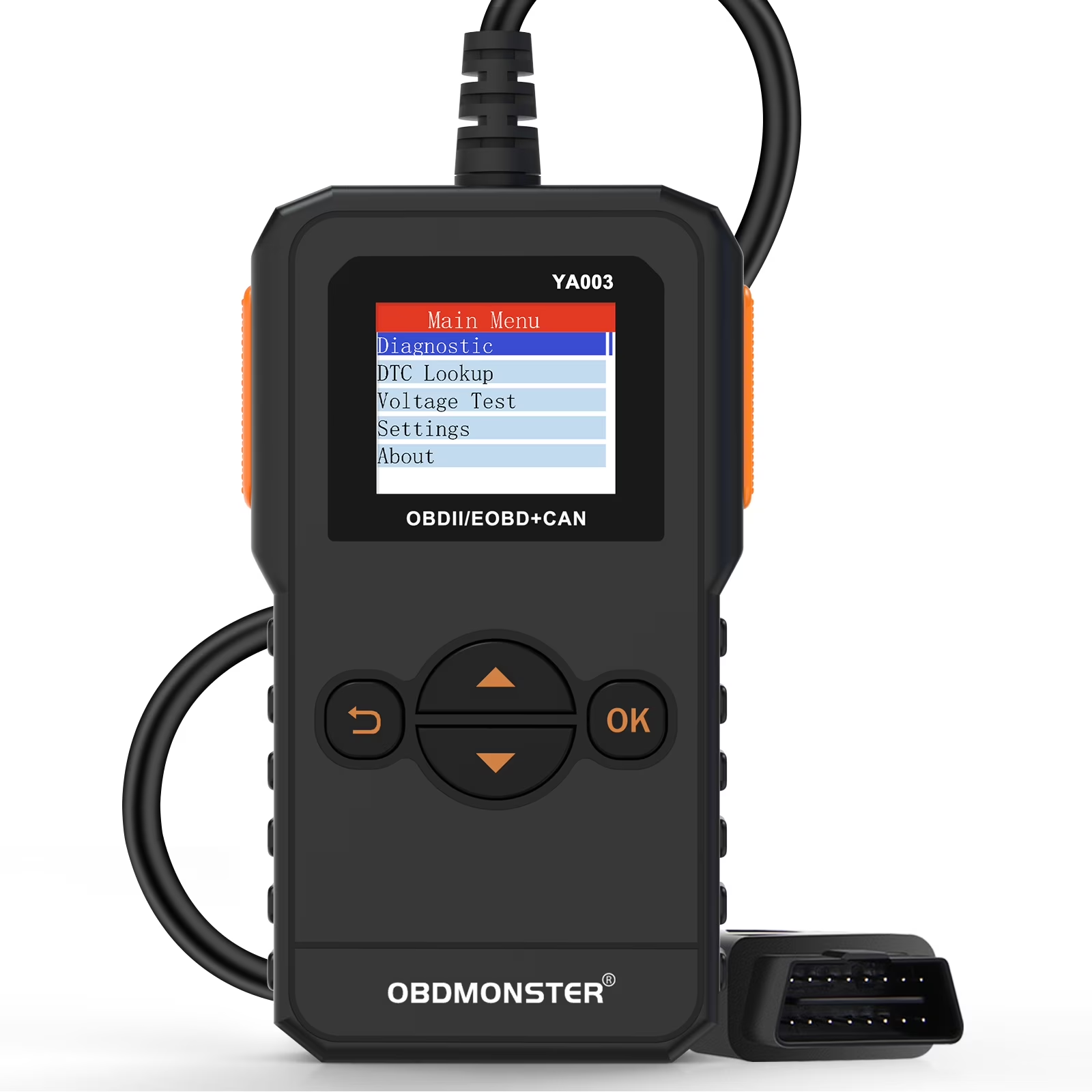
Professional OBD-II Scanner
Advanced diagnostic scanner with comprehensive vehicle coverage for professional technicians. Features live data streaming, bi-directional controls, and extensive code library for accurate troubleshooting across domestic and import vehicles.
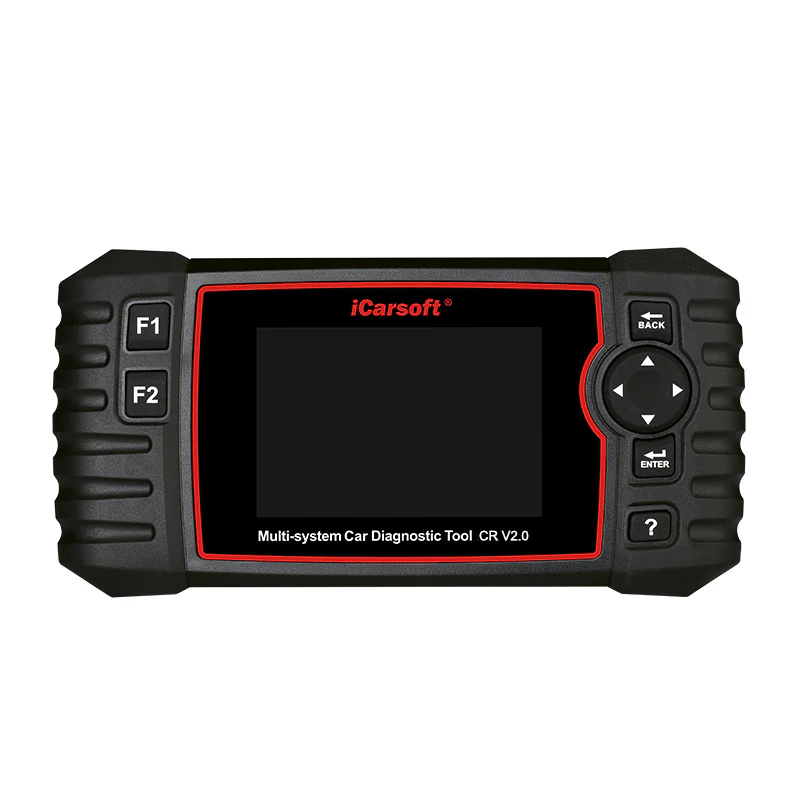
Multi-System Diagnostic Tool
Comprehensive diagnostic solution covering engine, transmission, ABS, airbag, and other vehicle systems. Provides detailed system analysis, component testing, and special service functions for complete vehicle maintenance and repair workflows.
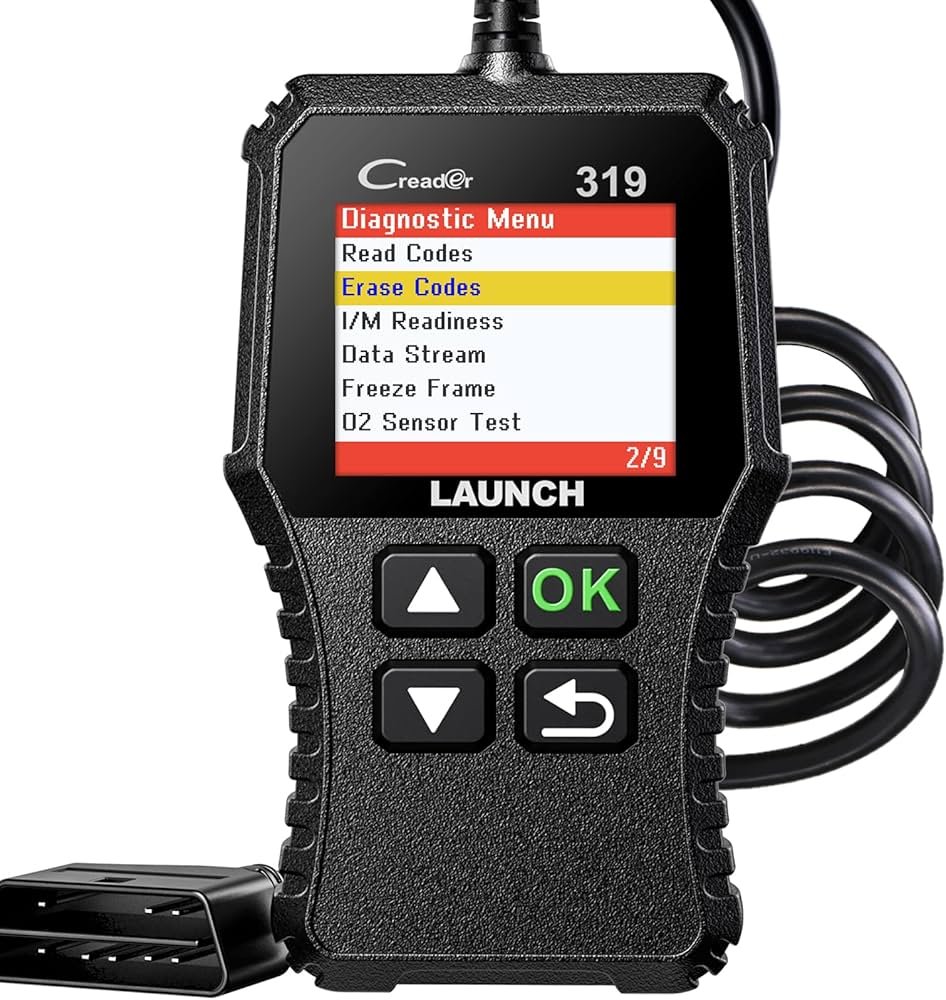
Code Reader with Enhanced Functions
User-friendly code reader offering essential diagnostic capabilities with enhanced features for quick vehicle assessment. Combines simplicity with powerful diagnostic functions for efficient troubleshooting in professional and DIY applications.
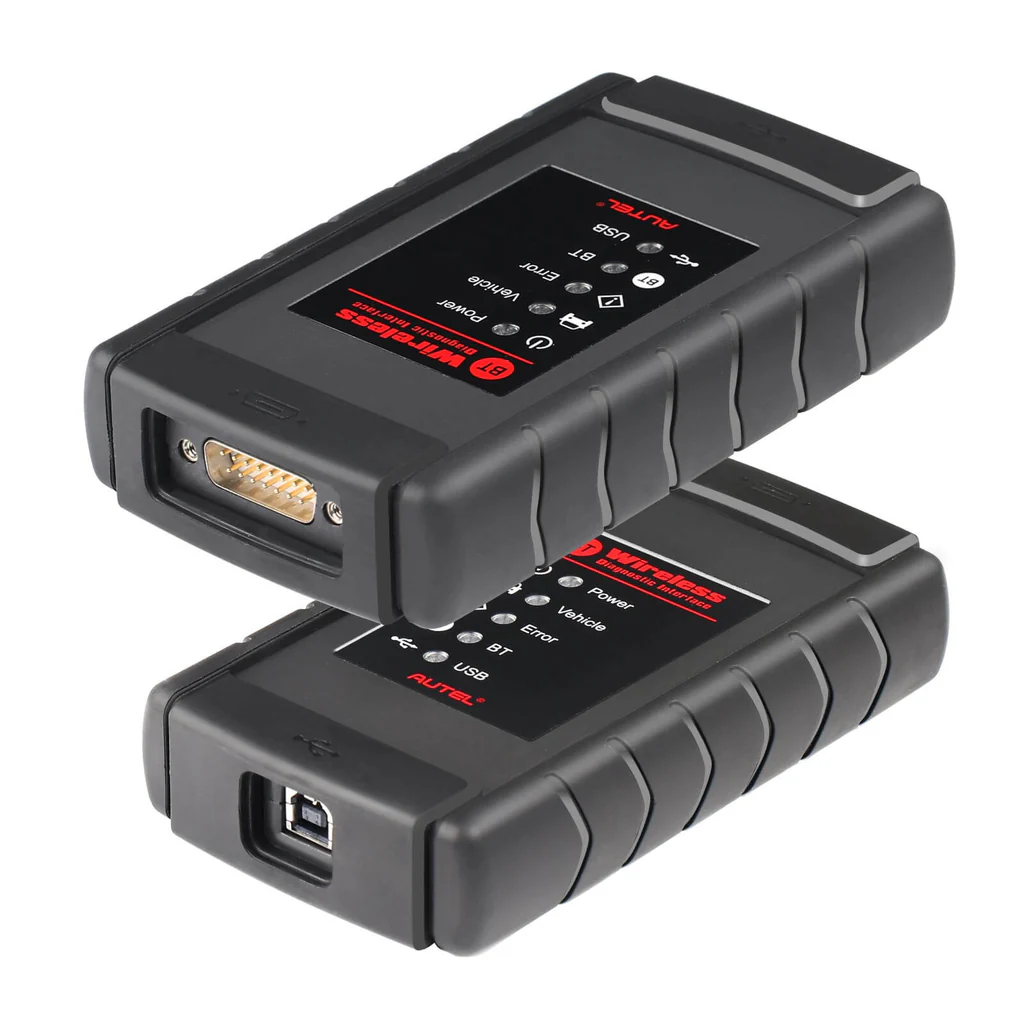
Wireless Diagnostic Adapter
Wireless diagnostic adapter that connects vehicles to smartphones and tablets for convenient diagnostic access. Enables professional-grade diagnostics through mobile applications with real-time data monitoring and comprehensive vehicle system analysis.
Understanding OEM Diagnostic Tools and Their Applications
Modern vehicles rely on sophisticated electronic systems that require specialized equipment for proper diagnosis and repair. OEM diagnostic tools provide technicians with the capability to communicate directly with vehicle control modules, accessing critical data that standard code readers cannot retrieve.
These professional-grade instruments go beyond basic trouble code reading, offering comprehensive system analysis, live data streaming, and bi-directional control functions. When working on today’s complex vehicles, having reliable oem diagnostic tools ensures accurate problem identification and efficient repair procedures.
The evolution of automotive technology has made diagnostic equipment an essential component of any professional repair facility. From simple OBD-II scanners to advanced multi-system analyzers, these tools enable technicians to maintain the high standards required for modern vehicle service and repair operations.
Key Features of Professional Scan Tools
Professional scan tools incorporate advanced features that distinguish them from basic code readers. Live data streaming allows technicians to monitor real-time parameter values from multiple vehicle systems simultaneously, providing insights into system performance and potential issues that may not trigger diagnostic trouble codes.
Bi-directional control capabilities enable technicians to command specific components during testing procedures, facilitating comprehensive system analysis and component verification. This functionality proves invaluable when diagnosing intermittent problems or verifying repair effectiveness.
Comprehensive Vehicle Coverage
Modern oem diagnostic tools support multiple communication protocols, ensuring compatibility with domestic and import vehicles across various model years. This extensive coverage eliminates the need for multiple diagnostic devices, streamlining the diagnostic process and reducing equipment costs.
Special service functions built into these tools allow technicians to perform essential maintenance procedures such as brake bleeding, oil service resets, and component adaptations. These capabilities, similar to those found in specialized brake bleeding equipment, make diagnostic tools versatile additions to any service bay.
Advanced Data Analysis
Graphing and recording functions enable technicians to capture and analyze diagnostic data over time, identifying patterns and trends that might indicate developing problems. This proactive approach to vehicle maintenance helps prevent unexpected failures and extends component life.
Choosing the Right Diagnostic Equipment for Your Needs
Selecting appropriate diagnostic equipment depends on several factors including vehicle coverage requirements, desired functionality, and budget considerations. Professional repair facilities typically require comprehensive tools with extensive vehicle coverage and advanced features, while smaller shops or DIY enthusiasts might prioritize ease of use and basic diagnostic capabilities.
Vehicle coverage represents a critical consideration when evaluating oem diagnostic tools. Tools supporting multiple manufacturers and model years provide greater versatility and return on investment compared to brand-specific equipment with limited compatibility.
Feature Requirements Assessment
Evaluating required features helps narrow equipment choices and ensures selected tools meet specific diagnostic needs. Basic code reading and clearing functions satisfy simple diagnostic tasks, while advanced features like component testing and special service functions support comprehensive vehicle service operations.
Connectivity options including Wi-Fi, Bluetooth, and USB capabilities facilitate software updates, data sharing, and integration with shop management systems. These features enhance tool functionality and ensure access to the latest diagnostic information and vehicle coverage updates.
Budget and Value Considerations
Investment in quality diagnostic equipment pays dividends through improved diagnostic accuracy, reduced comebacks, and increased customer satisfaction. While initial costs may seem significant, the long-term benefits of reliable oem diagnostic tools justify the investment for serious automotive professionals.
Integration with Automotive Service Equipment
Diagnostic tools work most effectively when integrated with other automotive service equipment, creating a comprehensive approach to vehicle maintenance and repair. The diagnostic information obtained from scan tools guides technicians to specific systems requiring attention, whether engine performance issues, brake system problems, or cooling system malfunctions.
When diagnostic procedures identify brake system faults, having access to proper brake service equipment ensures technicians can address identified problems efficiently. Similarly, cooling system diagnostics may require specialized tools for system testing and maintenance procedures.
Coordinated Service Approaches
Modern vehicle service often requires coordinated use of multiple tools and equipment types. Diagnostic scan tools identify problems, while specialized service tools address specific system requirements. This integrated approach ensures comprehensive vehicle care and optimal repair outcomes.
The same systematic approach used in automotive service operations applies to diagnostic procedures, where proper tool selection and methodical troubleshooting lead to successful problem resolution and customer satisfaction.
Workflow Optimization
Efficient diagnostic workflows incorporate oem diagnostic tools at multiple stages of the service process, from initial problem assessment through post-repair verification. This comprehensive approach ensures nothing is overlooked and repairs are completed correctly the first time.
Maintenance and Care of Diagnostic Equipment
Proper maintenance of diagnostic equipment ensures reliable performance and extends tool life. Regular software updates keep diagnostic databases current and maintain compatibility with new vehicle models and systems. Most modern tools provide automatic update notifications and simplified update procedures.
Physical care of diagnostic tools includes protecting them from extreme temperatures, moisture, and physical damage. Proper storage in protective cases and careful handling during use prevent damage and ensure consistent operation when needed most.
Software Management
Maintaining current software versions ensures access to the latest diagnostic procedures, trouble code definitions, and vehicle coverage. Regular updates also provide access to new features and functionality that enhance diagnostic capabilities.
Data backup procedures protect stored diagnostic information and custom configurations from loss due to equipment failure or accidental deletion. Regular backups ensure continuity of operations and preserve valuable diagnostic data.
Performance Monitoring
Monitoring diagnostic tool performance helps identify potential issues before they affect diagnostic accuracy. Regular calibration checks and function tests ensure tools operate within specifications and provide reliable diagnostic information.
When diagnostic equipment requires service or calibration, having backup tools or alternative diagnostic methods ensures uninterrupted service capabilities. The investment in quality oem diagnostic tools includes consideration for redundancy and service continuity planning.
Investing in Quality Diagnostic Solutions
Professional automotive service demands reliable, comprehensive diagnostic capabilities that only quality equipment can provide. The investment in proper oem diagnostic tools pays dividends through improved diagnostic accuracy, reduced troubleshooting time, and enhanced customer satisfaction. Modern vehicles’ complexity requires sophisticated diagnostic approaches that basic code readers simply cannot deliver.
Selecting the right diagnostic equipment involves careful consideration of vehicle coverage requirements, desired functionality, and long-term service goals. Whether choosing comprehensive multi-system analyzers or specialized diagnostic tools, the key lies in matching equipment capabilities with specific service needs and ensuring ongoing software support for continued effectiveness.
The integration of diagnostic tools with other service equipment creates a comprehensive approach to vehicle maintenance and repair that meets today’s professional standards. When combined with proper training and systematic diagnostic procedures, quality diagnostic equipment becomes an invaluable asset for any automotive service operation.
As automotive technology continues evolving, staying current with diagnostic capabilities ensures continued success in the competitive automotive service industry. The investment in quality diagnostic tools represents an investment in professional capability, customer satisfaction, and long-term business success that pays dividends for years to come.