Professional Blast Cabinets for Workshop Surface Preparation

Benchtop Blast Cabinet
Compact desktop blast cabinet perfect for small parts cleaning, jewelry restoration, and detailed work. Features built-in lighting and dust collection system for clean operation in any workspace.
Key Features:
- Heavy-duty steel construction
- Built-in LED work lighting
- Integrated dust collection port
- Ergonomic rubber gloves
- Large viewing window
- Abrasive reclaim system
- Gun holder and foot pedal

Upright Floor Model Blast Cabinet
Full-size standing blast cabinet designed for larger automotive and industrial parts. Offers maximum workspace with professional features for heavy-duty surface preparation and paint removal tasks.
Key Features:
- Spacious interior chamber
- Heavy-gauge steel frame
- Professional blast gun
- Adjustable work shelves
- High-efficiency dust collector
- Easy-access front door
- Abrasive media separator
- Caster wheels for mobility
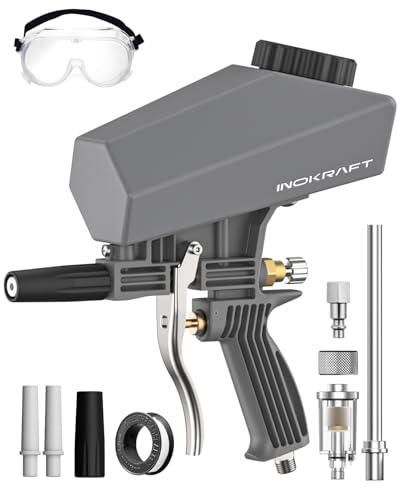
Portable Sandblaster Kit
Versatile handheld sandblasting system for field work and outdoor projects. Complete kit includes everything needed for rust removal, paint stripping, and surface texturing on various materials.
Key Features:
- Pressurized blast pot
- Multiple nozzle sizes
- Moisture trap filter
- Heavy-duty blast hose
- Dead man safety trigger
- Abrasive media included
- Portable design
Understanding Blast Cabinet Technology and Applications
Blast cabinets represent essential equipment for professional surface preparation across automotive, restoration, and manufacturing industries. The oem tools blast cabinet lineup delivers reliable performance for removing rust, paint, scale, and other surface contaminants from metal components.
These enclosed systems contain abrasive media during operation, preventing environmental contamination while protecting operators from dust exposure. Unlike open blasting methods, cabinet systems recycle abrasive materials automatically, reducing operating costs and improving efficiency.
Modern blast cabinets accommodate various abrasive media types, from gentle glass beads for delicate cleaning to aggressive steel grit for heavy rust removal. The controlled environment ensures consistent results while maintaining workspace cleanliness.
Safety Features and Operator Protection
Professional blast cabinets incorporate multiple safety systems to protect operators during extended use. Built-in dust collection prevents harmful particles from escaping the work chamber, while viewing windows provide clear visibility without exposure risk.
Ergonomic glove ports allow precise part manipulation while maintaining complete containment. Dead man triggers on blast guns ensure immediate shutoff when released, preventing accidental media discharge.
Proper ventilation systems remove airborne particles continuously, creating safe working conditions even during intensive blasting operations. Many models include integrated lighting systems that illuminate work areas without creating glare on viewing windows.
Choosing the Right OEM Tools Blast Cabinet Size
Selecting appropriate cabinet size depends on typical workpiece dimensions and available shop space. Benchtop models excel for small components like carburetors, brake parts, and restoration hardware that require detailed cleaning.
Upright floor models accommodate larger items such as engine blocks, transmission cases, and body panels. These units provide maximum workspace flexibility while maintaining efficient abrasive recycling systems.
Workspace Requirements and Installation
Installing an oem tools blast cabinet requires adequate floor space plus clearance for door operation and media loading. Most units need electrical connections for lighting and dust collection systems.
Floor models benefit from concrete foundations that absorb vibration during operation. Proper ventilation ensures dust collection systems function effectively without creating negative pressure in surrounding areas.
Consider proximity to compressed air sources, as most cabinets require consistent air pressure for optimal performance. The same professional setup considerations that apply to shop ventilation systems ensure proper blast cabinet operation.
Abrasive Media Selection and Management
Different abrasive media produce varying surface finishes and cleaning rates. Glass beads create smooth, satin finishes ideal for aluminum components and delicate restoration work. Steel shot provides aggressive cleaning for heavy rust and scale removal.
Crushed walnut shells offer gentle cleaning for soft metals and painted surfaces where preservation of underlying material is critical. Aluminum oxide delivers fast cutting action for general-purpose cleaning applications.
Media Recycling and Contamination Control
Effective abrasive recycling extends media life while maintaining consistent performance. The oem tools blast cabinet design incorporates separation systems that remove debris and worn particles from reusable media.
Regular media screening prevents contamination buildup that reduces cleaning efficiency. Fresh media addition compensates for natural breakdown during use, maintaining optimal cutting performance.
Proper media storage protects unused abrasives from moisture absorption that can cause flow problems. Sealed containers preserve media quality between projects while preventing contamination from foreign materials.
Maintenance and Performance Optimization
Regular maintenance ensures consistent blast cabinet performance throughout years of operation. Daily inspection of viewing windows, gloves, and seals prevents contamination while maintaining operator safety.
Dust collection filter replacement maintains proper airflow and prevents system overload. Clean filters reduce motor strain while improving visibility inside the work chamber during operation.
Component Replacement and Upgrades
Wear components like blast nozzles and gloves require periodic replacement based on usage intensity. Quality replacement parts maintain original performance specifications while extending overall equipment life.
Upgrade options include improved lighting systems, enhanced dust collection, and specialized nozzle configurations for specific applications. These modifications optimize an oem tools blast cabinet for particular workshop requirements.
The modular design philosophy that makes workshop organization systems so adaptable also applies to blast cabinet configurations, allowing customization as needs evolve.
Professional Applications and Project Examples
Automotive restoration projects benefit enormously from controlled blast cabinet cleaning. Engine components, suspension parts, and trim pieces emerge with consistent surface preparation ideal for painting or plating.
Manufacturing operations use blast cabinets for deburring machined parts and preparing surfaces for coating application. The controlled environment ensures repeatable results across production runs.
Integration with Workshop Equipment
Blast cabinets complement other surface preparation equipment in professional workshops. Paint booths, welding stations, and parts cleaning systems work together in efficient restoration workflows.
Proper workshop layout positions blast cabinets near compressed air sources and dust collection systems. The same organizational principles that optimize equipment storage solutions apply to blast cabinet placement for maximum efficiency.
Coordinating blast cabinet operation with other equipment schedules maximizes productivity while maintaining clean working conditions throughout the facility.
Cost Analysis and Return on Investment
Investing in an oem tools blast cabinet eliminates ongoing costs associated with outsourced blasting services. Internal surface preparation capabilities provide scheduling flexibility while maintaining quality control.
Abrasive media recycling reduces operating costs compared to disposable alternatives. Initial equipment investment typically recovers within months through savings on contracted blasting services.
Productivity and Quality Benefits
In-house blast capability eliminates transportation delays and scheduling conflicts with external service providers. Projects proceed on timeline without waiting for parts to return from off-site preparation.
Consistent surface preparation improves coating adhesion and finish quality. Proper surface preparation prevents premature coating failure that requires expensive rework.
The productivity improvements possible with proper equipment selection mirror those achieved through efficient workspace mobility solutions that keep operators comfortable and efficient throughout long projects.
Frequently Asked Questions
Investing in Professional Surface Preparation Equipment
Professional blast cabinets represent essential equipment for workshops serious about surface preparation quality and efficiency. The oem tools blast cabinet lineup provides reliable performance across diverse applications, from delicate restoration work to heavy industrial cleaning.
Proper cabinet selection based on typical workpiece sizes and workshop requirements ensures maximum productivity and return on investment. Integration with existing workshop systems creates efficient workflows that maintain quality while reducing project timelines.
Regular maintenance and proper operating procedures extend equipment life while maintaining consistent performance. Quality blast cabinets provide years of reliable service when properly maintained and operated within design specifications.
The investment in professional surface preparation capability pays dividends through improved project quality, reduced outsourcing costs, and enhanced workshop capabilities. Modern blast cabinet technology makes professional-grade surface preparation accessible to workshops of all sizes, enabling higher quality finished products and increased customer satisfaction.