
Digital Battery Analyzer & Tester: Professional Diagnostic Solutions
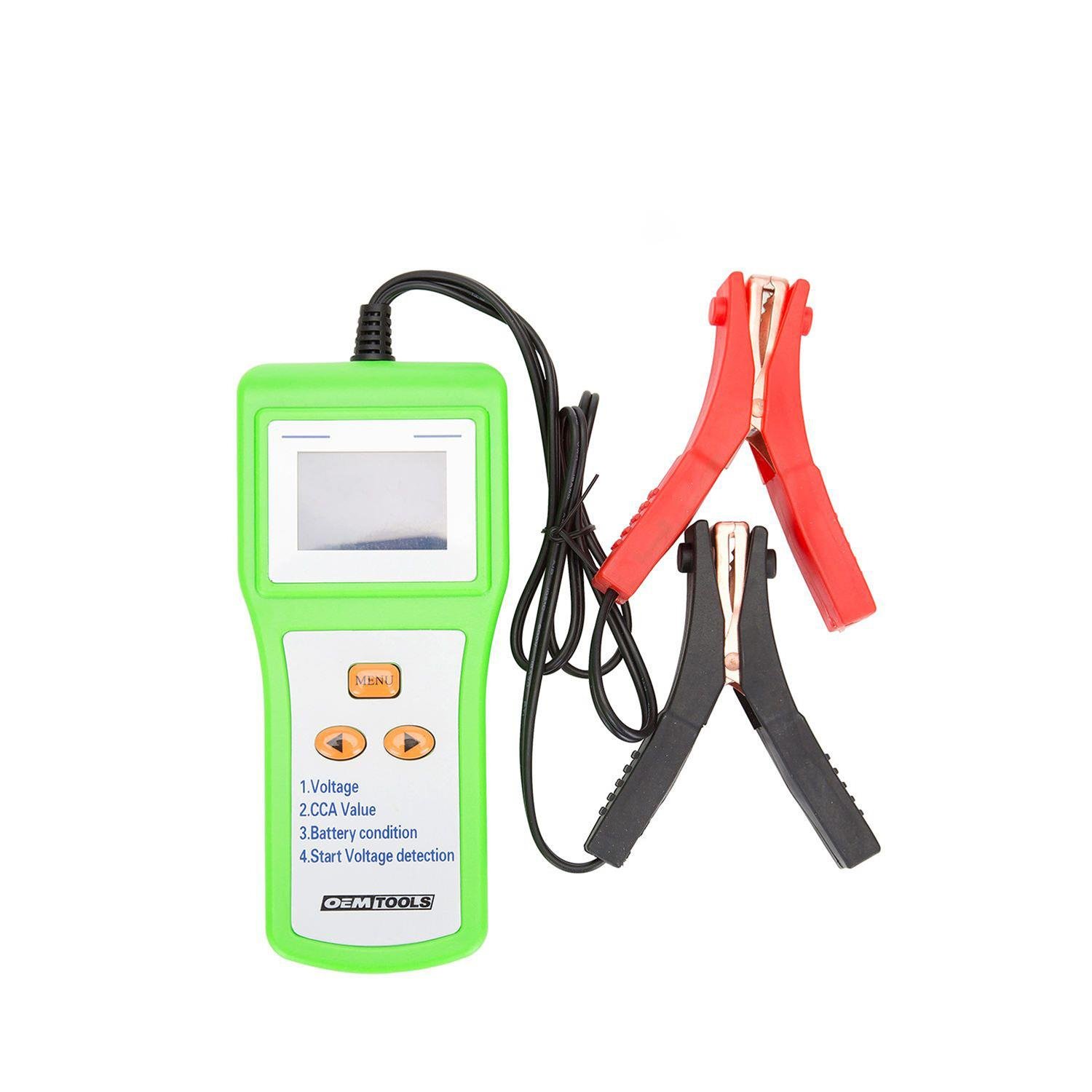
OEM Tools Digital Battery Analyzer & Tester
Professional-grade digital battery analyzer offering comprehensive testing capabilities for 6V and 12V batteries. Features LCD display, multiple test modes, and accurate voltage readings for automotive, marine, and deep-cycle applications.
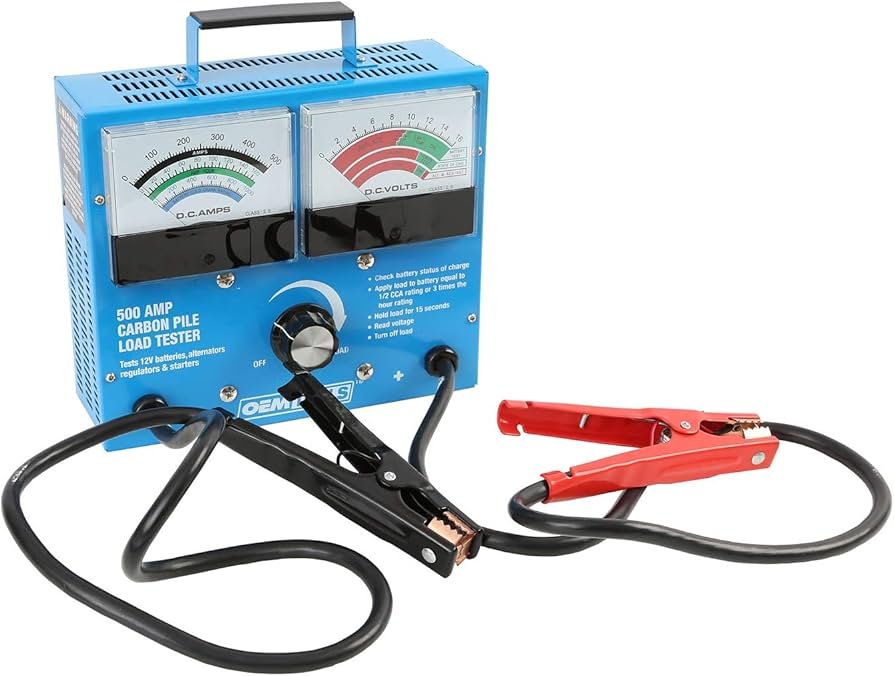
OEM Tools Professional Battery Load Tester
Heavy-duty load tester designed for professional mechanics and technicians. Provides accurate battery condition assessment with visual analog display and robust construction for shop environments and field diagnostics.
Understanding Digital Battery Analyzer Technology
The oem tools battery analyzer represents a significant advancement in automotive diagnostic equipment, providing technicians with precise battery testing capabilities. Modern digital analyzers utilize sophisticated electronic circuits to measure battery parameters without applying traditional load testing methods.
Unlike conventional load testers that stress the battery during testing, digital analyzers use conductance testing technology. This method sends a small AC signal through the battery to measure internal resistance and predict performance characteristics.
Key Testing Parameters
Digital battery analyzers measure several critical parameters to determine battery health. Voltage readings provide baseline information about charge state, while cold cranking amp testing reveals the battery’s ability to deliver power in challenging conditions.
Internal resistance measurements help identify cell degradation and sulfation issues. The oem tools battery analyzer processes these readings through advanced algorithms to provide accurate diagnostic results.
Advantages Over Traditional Testing
Traditional load testing applies significant current draw to evaluate battery performance, which can stress already weakened batteries. Digital analyzers eliminate this concern by using non-invasive testing methods that preserve battery life while delivering reliable results.
Professional Applications and Use Cases
The oem tools battery analyzer serves multiple professional applications across automotive service environments. Independent repair shops rely on these devices to quickly diagnose battery-related customer complaints and verify charging system performance.
Fleet maintenance operations benefit from regular battery testing protocols using digital analyzers. Preventive maintenance programs help identify failing batteries before complete failure, reducing unexpected downtime and service calls.
Automotive Service Centers
Service advisors use battery test results to educate customers about battery condition and replacement recommendations. The clear digital displays and printout capabilities of advanced analyzers help demonstrate battery health to vehicle owners.
Technicians appreciate the speed and accuracy of digital testing compared to traditional methods. Complete battery analysis typically requires less than two minutes, improving shop efficiency and customer satisfaction.
Mobile Service Applications
Portable battery analyzers enable roadside assistance providers and mobile mechanics to diagnose electrical issues on-site. The compact design and battery-powered operation make the oem tools battery analyzer ideal for field diagnostics.
Emergency service providers use these tools to determine whether battery replacement or charging will resolve starting problems. Quick diagnostic capability helps reduce service call duration and improve customer experience.
Battery Testing Procedures and Best Practices
Proper testing procedures ensure accurate results when using the oem tools battery analyzer. Begin by verifying battery surface charge has dissipated, either through vehicle operation or allowing the battery to rest for several hours after charging.
Connect the analyzer leads to battery terminals, ensuring clean contact points free of corrosion or oxidation. Follow the manufacturer’s specific sequence for entering battery specifications and test parameters into the device.
Pre-Test Battery Inspection
Visual inspection should precede electronic testing to identify obvious problems. Check for cracked cases, corroded terminals, or electrolyte leakage that might affect test accuracy or indicate immediate replacement needs.
Measure specific gravity in serviceable batteries to verify electrolyte condition. Low specific gravity readings may indicate sulfation or deep discharge conditions that affect analyzer accuracy.
Temperature Considerations
Battery temperature significantly impacts test results, as cold batteries naturally exhibit reduced capacity. Many digital analyzers include temperature compensation features to adjust readings for ambient conditions.
The oem tools battery analyzer accounts for temperature variations in its calculations, providing more accurate assessments across different operating environments. Record ambient temperature when documenting test results for future reference.
Documentation and Record Keeping
Maintain detailed records of battery test results to track performance trends over time. Regular testing intervals help identify gradual capacity loss and predict replacement timing for fleet vehicles.
Charging System Analysis Features
Modern battery analyzers extend beyond simple battery testing to include comprehensive charging system analysis. The oem tools battery analyzer evaluates alternator output, voltage regulation, and charging circuit performance to identify electrical system problems.
Charging system tests require engine operation to measure alternator performance under various load conditions. The analyzer monitors voltage output, ripple characteristics, and load response to determine alternator health.
Alternator Performance Testing
Alternator testing procedures involve measuring output voltage at idle and elevated RPM to verify proper operation. Load testing evaluates the alternator’s ability to maintain voltage under electrical demand from lights, air conditioning, and other accessories.
Voltage ripple analysis identifies faulty diodes or stator windings that reduce charging efficiency. The oem tools battery analyzer displays ripple patterns and amplitude to help diagnose internal alternator problems.
Starter System Diagnostics
Starter current draw testing reveals mechanical problems within the starting system. Excessive current draw indicates worn starter components, while insufficient draw may point to poor electrical connections or starter solenoid issues.
The analyzer measures both starting voltage drop and current consumption to provide complete starter system evaluation. These measurements help distinguish between battery, starter, and connection problems.
Integration with Other Diagnostic Tools
Professional shops often combine battery analyzer results with readings from infrared thermometers to check for overheating components in the charging system. This comprehensive approach helps identify root causes of electrical problems.
Maintenance and Calibration Requirements
Regular maintenance ensures continued accuracy and reliability of the oem tools battery analyzer. Clean test leads regularly to remove corrosion and oxidation that can affect contact resistance and measurement accuracy.
Inspect cables for damage, fraying, or loose connections that might compromise test results. Replace damaged leads immediately to maintain safety and measurement precision during battery testing procedures.
Calibration Verification
Periodic calibration verification using known reference standards helps maintain measurement accuracy. Many manufacturers provide calibration procedures and reference values for field verification of analyzer performance.
Professional calibration services ensure traceability to national standards and may be required for warranty compliance. Document calibration dates and results to maintain equipment certification records.
Storage and Handling
Proper storage protects the analyzer electronics from moisture and temperature extremes. Store the device in a clean, dry environment when not in use, and avoid exposure to excessive heat or cold.
The oem tools battery analyzer includes protective carrying cases designed to prevent damage during transport. Use these cases consistently to extend equipment life and maintain accuracy.
Software Updates and Support
Manufacturer software updates may include new battery specifications, improved algorithms, or enhanced features. Regular updates ensure compatibility with the latest battery technologies and vehicle electrical systems.
Selecting the Right Battery Analyzer for Your Needs
Choosing an appropriate battery analyzer depends on testing volume, required features, and budget considerations. High-volume shops benefit from analyzers with rapid testing capabilities and data management features for customer records.
The oem tools battery analyzer offers professional-grade features at competitive pricing, making it suitable for independent shops and technicians. Consider printer compatibility if customer documentation requirements are important for your business.
Feature Comparison Considerations
Evaluate testing speed, battery type compatibility, and measurement accuracy when comparing different analyzer models. Some units include advanced features like battery registration for European vehicles or enhanced diagnostics for AGM and gel batteries.
Display quality and user interface design affect daily usability, especially in challenging shop lighting conditions. Backlit displays and intuitive menu systems improve operator efficiency and reduce testing errors.
Integration with Shop Equipment
Consider how the battery analyzer integrates with existing shop equipment and procedures. Some analyzers connect to shop management systems for automated record keeping and customer communication.
Compatibility with other electrical diagnostic tools in your shop can streamline workflow and improve diagnostic accuracy. The analyzer should complement your existing work lighting and power tools setup.
Budget and ROI Considerations
Calculate return on investment based on testing volume, labor savings, and improved customer satisfaction. Quality battery analyzers typically pay for themselves through increased efficiency and reduced diagnostic time.
The oem tools battery analyzer provides professional capabilities without the premium pricing of some competing units, making it an excellent choice for cost-conscious shops seeking reliable diagnostic equipment.
Investing in Professional Battery Diagnostic Equipment
The oem tools battery analyzer represents a smart investment for automotive professionals seeking reliable, efficient diagnostic capabilities. Modern digital testing technology provides accurate results while improving shop productivity and customer satisfaction through faster service delivery.
Professional battery analysis equipment pays for itself through improved diagnostic accuracy and reduced warranty claims. The ability to quickly identify battery and charging system problems helps technicians provide better service while building customer trust through demonstrable test results.
Whether you’re operating an independent repair shop, managing a fleet maintenance program, or providing mobile diagnostic services, the oem tools battery analyzer delivers the performance and reliability needed for professional applications. The combination of advanced features, user-friendly operation, and competitive pricing makes it an excellent choice for serious automotive professionals.
Investing in quality diagnostic equipment like the oem tools battery analyzer positions your business for success in an increasingly complex automotive service environment. The improved efficiency and diagnostic capability will benefit both your bottom line and customer relationships for years to come.