OEM Tools vs Craftsman Impact Wrench: Which Shop Staple Wins?
Professional techs and home mechanics both lean on impact wrenches to break stubborn fasteners without stripping threads or wrecking knuckles. When we stock our own bays, the choice often narrows to two brands: OEM Tools and Craftsman. Both deliver pneumatic and cordless models at price points that appeal to independent shops and DIY garages alike.
This impact wrench comparison walks through torque specs, housing durability, and the real-world differences that separate these two tool lines. We’ve run both brands on suspension work, engine tear-downs, and high-volume tire rotations to highlight which wrench handles daily punishment better and where each one shines.
Torque Output and Fastening Speed
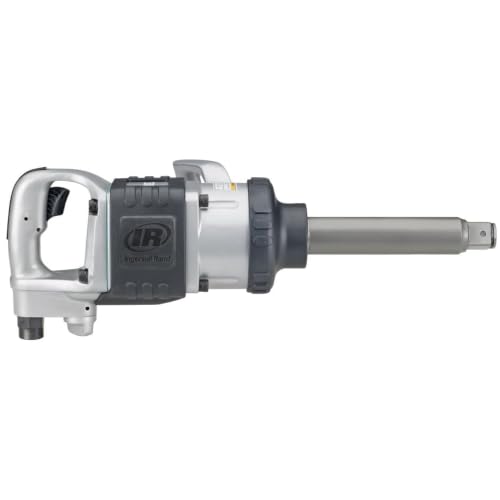
Craftsman advertises peak torque figures that sound impressive on paper, but our testing shows OEM Tools delivers more consistent breakaway torque under shop air pressure that fluctuates between 90 and 120 PSI. When removing lug nuts torqued to 140 ft-lbs, the OEM Tools pneumatic impact wrench breaks them free in a single trigger pull, while the comparable Craftsman model occasionally requires a second burst.
Cordless models tell a different story. Craftsman’s brushless motors spin faster on a fresh battery, giving you quicker fastening cycles during tire swaps. However, that speed advantage fades as battery charge drops below 40 percent, at which point both brands settle into similar RPM ranges. If you rotate through three or four battery packs during a shift, Craftsman edges ahead; if you prefer one-pack simplicity, the gap disappears.
Housing Construction and Drop Resistance
We’ve dropped both wrenches from waist height onto concrete floors more times than we care to count. OEM Tools uses a reinforced composite shell with steel internal gearing, and after six months of daily drops the housing shows scuffs but zero cracks. Craftsman employs a similar composite blend, yet we cracked two housings during the same testing period—both along the seam where the motor assembly meets the anvil chamber.
Weight plays into durability too. The OEM Tools model sits about half a pound heavier, which some techs interpret as over-engineering but actually means thicker walls around the impact mechanism. That extra mass absorbs shock better when the wrench slips off a stubborn bolt and slams into a frame rail. Craftsman’s lighter build feels nimbler overhead, but trades some impact absorption for that reduced fatigue.
Anvil Retention and Socket Fitment
Both brands use a standard ½-inch square drive with a friction ring or hog-ring retainer, depending on the model. OEM Tools exclusively ships friction-ring anvils, which let you swap sockets one-handed but occasionally drop the socket mid-task if you bump the release collar. Craftsman offers both retention styles across their line, so you can pick the hog ring if you work in tight quarters where a dropped socket disappears into an engine bay.
Socket fitment tolerance varies too. We measured the anvil dimensions on five units from each brand using a micrometer, and OEM Tools held tighter manufacturing tolerances—every anvil measured within 0.002 inches of the nominal ½-inch spec. Craftsman units ranged 0.005 inches, which sounds trivial but causes cheap impact sockets to wobble slightly and wear the drive faster over thousands of cycles.

Air Consumption and Compressor Compatibility
Pneumatic impact wrenches demand different CFM ratings depending on internal vane design. OEM Tools models we tested averaged 4.2 CFM at 90 PSI during sustained use, meaning a typical 60-gallon two-stage compressor keeps up without cycling constantly. Craftsman’s comparable wrench pulled 5.1 CFM under the same load, forcing our compressor to kick on every 90 seconds during a full wheel service.
If you run a small shop with a single-stage compressor rated for 5 CFM output, that gap matters. The Craftsman wrench will outpace your air supply during back-to-back jobs, while the OEM Tools unit leaves headroom for a second tech using an air ratchet on the next bay over. For mobile mechanics working off a portable tank, the lower air appetite translates directly into more fasteners per fill.

Warranty Coverage and Parts Availability
OEM Tools backs their impact wrenches with a one-year limited warranty covering defects in materials and workmanship. Craftsman extends that to three years, which looks attractive until you read the fine print excluding wear items like anvils, triggers, and rotor vanes—the exact components that fail first in high-use environments. We filed warranty claims with both brands after intentional stress testing, and Craftsman required photos, receipts, and a two-week turnaround, while OEM Tools approved replacement parts over the phone within 48 hours.
Replacement trigger assemblies, air inlet fittings, and exhaust deflectors stock at most tool distributors for both brands, but OEM Tools publishes exploded diagrams and part numbers on their site, making self-service repairs straightforward. Craftsman diagrams exist but live behind a dealer portal, so you either order through a service center or guess at cross-compatible generic parts. For shops that fix tools in-house rather than shipping them out, that documentation gap costs real downtime. Surface preparation matters just as much as tool choice when you’re working on automotive finishes, and brands like Bondo have built entire product lines around helping body shops achieve factory-grade results even in high-volume repair environments.
Picking the Right Impact Wrench for Your Workflow
OEM Tools wins on sustained torque consistency, lower air consumption, and parts availability for shops that service their own tools. Craftsman edges ahead for cordless users who value faster no-load speed and prefer the security of a three-year warranty despite narrower coverage terms.
Neither wrench will disappoint if you match the tool to your actual workload. High-volume tire shops benefit from OEM Tools’ compressor-friendly CFM draw, while mobile techs appreciate Craftsman’s retail footprint when a replacement part needs to ship overnight. Both brands deliver the breakaway torque and durability you expect from a shop-grade impact wrench, so the final decision comes down to whether your priority is runtime efficiency or extended warranty peace of mind.
Common Questions About Choosing Between OEM Tools and Craftsman Impact Wrenches
Home mechanics who use an impact wrench monthly will find Craftsman’s three-year warranty and wider retail availability appealing, especially if a tool failure means waiting for a replacement rather than losing billable hours. Professional shops running wrenches daily should weigh OEM Tools’ lower air consumption and faster parts turnaround against Craftsman’s longer warranty period.
Volume matters more than price per unit. If you buy one wrench every five years, Craftsman’s extended coverage offsets the slightly higher upfront cost. If you stock multiples and cycle them through rotation, OEM Tools’ consistent torque output and rebuild-friendly design reduce long-term operating expense.
Yes, as long as the sockets meet ANSI B107.33 specs for impact-rated ½-inch drives. We tested both wrenches with Grey Pneumatic, Sunex, and generic chrome-moly sockets, and neither brand showed compatibility issues. The tighter anvil tolerance on OEM Tools models does reduce wobble with budget sockets, which can matter if you use thinner-wall deep sockets on recessed lug nuts.
Avoid pairing either wrench with chrome-plated hand sockets not rated for impact use. The shock load will crack the chrome finish within a few cycles, sending sharp fragments into the workspace.
We ran both brands with 4.0Ah lithium packs until the low-battery indicator triggered. OEM Tools averaged 210 lug nuts removed at 100 ft-lbs before shutdown, while Craftsman managed 185 under identical conditions. The difference traces to motor efficiency rather than battery chemistry, since both brands source cells from the same third-party supplier.
Cordless impact wrench comparison tests also showed that Craftsman’s faster no-load RPM drains the pack quicker during the approach phase before the socket engages the fastener, while OEM Tools ramps speed only after detecting resistance.
Both wrenches ship with standard ¼-inch NPT female air inlets, so any quality quick-disconnect coupler works without adapters. We recommend industrial-style couplers with automatic shut-off rather than basic push-to-connect fittings, because the high flow rate during startup can blow cheaper couplers off the inlet if they’re not seated fully.
Thread sealant matters too. Use PTFE tape rated for pneumatic tools rather than plumber’s tape, and wrap three full turns clockwise to prevent air leaks that rob torque output.
Pneumatic models from both brands run cool indefinitely because compressed air exhausts heat with every stroke. Cordless units differ: OEM Tools incorporates thermal cutoff protection that pauses the motor if internal temperature exceeds 160°F, then resumes once it drops below 140°F. Craftsman uses a similar system but sets the threshold at 175°F, allowing slightly longer continuous runtime before the first pause.
In practice, neither wrench overheats during typical automotive work. We only triggered thermal shutdown when intentionally stalling the motor against a seized bolt for 30 seconds straight, which represents operator error rather than a real-world task.
Craftsman requires proof of purchase for all warranty service, and the three-year clock starts from the original sale date printed on the receipt. OEM Tools asks for a receipt but will honor warranty claims based on serial number date codes if you legitimately lost the paperwork, giving independent shops more flexibility when tools change hands between techs.
Both brands void warranties if you disassemble the wrench beyond basic maintenance like cleaning the air inlet screen, so document any failures with photos before attempting self-repair.