Electric Ratchet Wrenches: Cordless Power for Professional Mechanics

24V Cordless Electric Ratchet Wrench
High-performance cordless electric ratchet wrench delivers exceptional torque and speed for professional automotive applications. Features ergonomic design with LED work light for enhanced visibility in tight spaces and challenging work environments.
Key Features:
- 24V lithium-ion battery
- Variable speed trigger
- LED work light
- Reversible direction
- Ergonomic grip design
- Quick-release chuck
- Battery level indicator
- Compact lightweight body
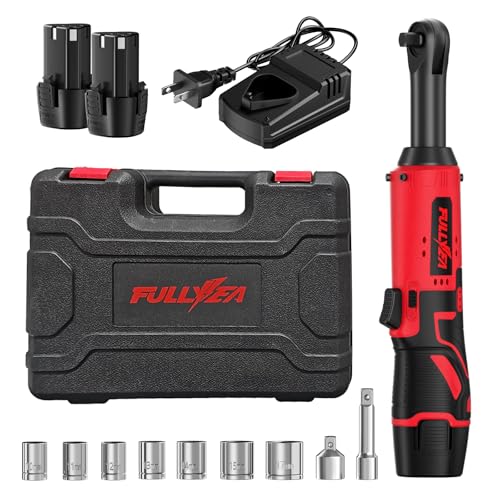
12V Compact Electric Ratchet
Lightweight and maneuverable electric ratchet perfect for precision work in confined spaces. Ideal for automotive maintenance, appliance repair, and general mechanical tasks requiring controlled torque application and reliable performance.
Key Features:
- 12V battery system
- Compact head design
- Forward/reverse switch
- Non-slip grip
- Fast charging capability
- Precision control
- Durable construction
Why Choose an OEM Tools Electric Ratchet for Professional Work
Professional mechanics and automotive technicians demand tools that deliver consistent performance under demanding conditions. An oem tools electric ratchet provides the perfect combination of power, precision, and portability that manual ratchets simply cannot match.
The cordless design eliminates the constraints of air hoses and power cords, allowing technicians to work efficiently in any location. Whether you’re working under the hood, beneath a vehicle, or in tight engine compartments, these tools provide unrestricted movement and access.
Enhanced Productivity and Efficiency
Electric ratchet wrenches significantly reduce the time and physical effort required for repetitive fastening tasks. The motorized action eliminates the need for constant manual ratcheting, reducing hand fatigue during extended work sessions.
The variable speed control found in quality oem tools electric ratchet models allows for precise torque application. This feature is particularly valuable when working with delicate components or when specific torque requirements must be met consistently.
Versatility Across Applications
These tools excel in automotive repair, machinery maintenance, and assembly applications. The compact design allows access to restricted areas where traditional socket sets and manual ratchets prove cumbersome or ineffective.
Key Features That Define Quality Electric Ratchets
Modern electric ratchet wrenches incorporate advanced features that enhance both performance and user experience. Understanding these capabilities helps mechanics select the right tool for their specific applications and work requirements.
Battery technology plays a crucial role in tool performance and reliability. Lithium-ion batteries provide consistent power output throughout the discharge cycle, ensuring that your oem tools electric ratchet maintains peak performance from the first use to the final fastener.
Power and Torque Specifications
Torque output varies significantly between models, typically ranging from 25 to 75 foot-pounds. Higher torque ratings accommodate heavy-duty applications, while lower settings provide better control for delicate work.
Speed ratings, measured in RPM, determine how quickly the tool completes each operation. Variable speed triggers allow operators to match tool speed to application requirements, providing optimal control and preventing over-tightening.
Ergonomic Design Elements
Comfort features become critical during extended use periods. Non-slip grips, balanced weight distribution, and intuitive control placement reduce operator fatigue and improve precision.
LED work lights integrated into quality electric ratchets illuminate work areas, enhancing visibility in dark engine compartments and confined spaces. This feature proves invaluable when working alongside other power tools in professional environments.
Comparing Cordless vs Corded Electric Ratchet Options
The choice between cordless and corded electric ratchets depends on specific work requirements, mobility needs, and power demands. Each configuration offers distinct advantages that suit different professional applications and work environments.
Cordless models provide unmatched mobility and convenience, eliminating the need for nearby power sources or extension cords. This freedom proves particularly valuable in automotive service bays, field repair situations, and multi-level work environments.
Battery Life and Runtime Considerations
Modern oem tools electric ratchet models feature extended battery life that supports full work shifts without interruption. Fast-charging capabilities minimize downtime, while battery level indicators prevent unexpected power loss during critical tasks.
Battery compatibility across tool lines allows mechanics to standardize on single battery platforms, reducing inventory requirements and charging station complexity. This interchangeability proves cost-effective for shops investing in multiple cordless tools.
Power Consistency and Performance
Corded electric ratchets provide consistent power output without battery-related performance degradation. These tools excel in high-volume production environments where continuous operation is required.
The choice often depends on balancing mobility requirements against power consistency needs. Many professional shops maintain both configurations to optimize tool selection for specific tasks and work locations.
Maintenance and Care for Long-Term Performance
Proper maintenance ensures that electric ratchet wrenches deliver reliable performance throughout their service life. Regular care routines prevent premature wear and maintain optimal operating efficiency under demanding professional conditions.
Battery maintenance forms the foundation of cordless tool longevity. Proper charging practices, storage procedures, and periodic conditioning cycles preserve battery capacity and extend overall tool life.
Cleaning and Lubrication Procedures
Regular cleaning removes debris, grease, and contaminants that can interfere with mechanical components. Use compressed air to clear internal mechanisms, avoiding moisture that could damage electrical components.
Lubrication requirements vary by model, but most oem tools electric ratchet units benefit from periodic gear case maintenance. Follow manufacturer specifications for lubricant types and application intervals to prevent premature wear.
Storage and Environmental Considerations
Proper storage protects tools from environmental damage and extends service life. Store batteries in moderate temperatures, avoiding extreme heat or cold that can affect capacity and longevity.
Regular inspection of housing, switches, and mechanical components identifies potential issues before they result in tool failure. This proactive approach minimizes downtime and repair costs in professional environments where tools like impact wrenches and ratchets see daily use.
Safety Considerations and Best Practices
Electric ratchet wrenches require specific safety protocols to prevent injury and ensure optimal performance. Understanding proper operating procedures protects both operators and equipment while maximizing tool effectiveness in professional applications.
Personal protective equipment remains essential when operating electric tools. Safety glasses protect against flying debris, while appropriate gloves provide grip security without compromising dexterity or control.
Proper Operating Techniques
Correct socket selection and installation prevent tool damage and ensure secure fastener engagement. Verify socket compatibility and condition before beginning operations, replacing worn or damaged components immediately.
Torque awareness prevents over-tightening that can damage fasteners, threads, or components. While oem tools electric ratchet models provide excellent control, operators must remain attentive to resistance changes and application requirements.
Workplace Safety Protocols
Establish clear operating procedures for tool use, battery charging, and storage. Ensure adequate lighting and workspace organization to prevent accidents and improve efficiency.
Regular safety training keeps operators current on best practices and manufacturer recommendations. This investment pays dividends through reduced accidents, improved productivity, and extended tool life across all shop equipment, including complementary tools like drill sets and specialty equipment.
Selecting the Right Electric Ratchet for Your Applications
Choosing the optimal electric ratchet wrench requires careful consideration of specific application requirements, work environment factors, and performance expectations. The right tool selection maximizes productivity while providing reliable service under demanding professional conditions.
Torque requirements form the primary selection criterion, with different applications demanding specific power ranges. Light automotive work requires lower torque settings, while heavy machinery maintenance demands higher output capabilities.
Application-Specific Considerations
Automotive technicians benefit from compact designs that access restricted engine compartments and undercarriage locations. The maneuverability of a quality oem tools electric ratchet proves invaluable in these challenging environments.
Industrial maintenance applications often require higher torque outputs and extended runtime capabilities. Battery capacity and charging speed become critical factors in high-volume production environments.
Budget and Value Assessment
Investment in quality electric ratchets pays long-term dividends through improved productivity, reduced maintenance costs, and extended service life. Consider total cost of ownership, including batteries, chargers, and replacement parts.
Tool compatibility across product lines provides additional value through shared batteries and accessories. This standardization approach works well with other precision tools like rotary tools in comprehensive shop setups.
Evaluate warranty coverage and service support availability when making selection decisions. Professional-grade tools require reliable service networks to minimize downtime in critical applications.
Frequently Asked Questions
Maximizing Your Investment in Electric Ratchet Technology
Electric ratchet wrenches represent a significant advancement in professional tool technology, offering unprecedented combinations of power, precision, and portability. The oem tools electric ratchet lineup provides solutions for virtually every automotive and industrial application, from delicate electronics work to heavy machinery maintenance.
The transition from manual to electric ratchets delivers immediate benefits in productivity and operator comfort. Reduced fatigue, faster operation speeds, and improved access capabilities translate directly into enhanced work quality and increased efficiency. These advantages become particularly pronounced during extended work sessions and high-volume production environments.
Investment in quality electric ratchets pays long-term dividends through reduced labor costs, improved job completion times, and enhanced service capabilities. The versatility of these tools allows single units to replace multiple manual ratchets while providing superior performance across diverse applications. When combined with comprehensive tool systems, electric ratchets form the cornerstone of modern professional workshops.
Selecting the right electric ratchet requires careful consideration of specific application needs, power requirements, and operational environments. Whether you choose high-torque models for heavy-duty applications or compact units for precision work, the investment in electric ratchet technology positions your operation for improved productivity and competitive advantage in today’s demanding marketplace.