Machinist Straight Edge – Precision Measuring Tool Guide
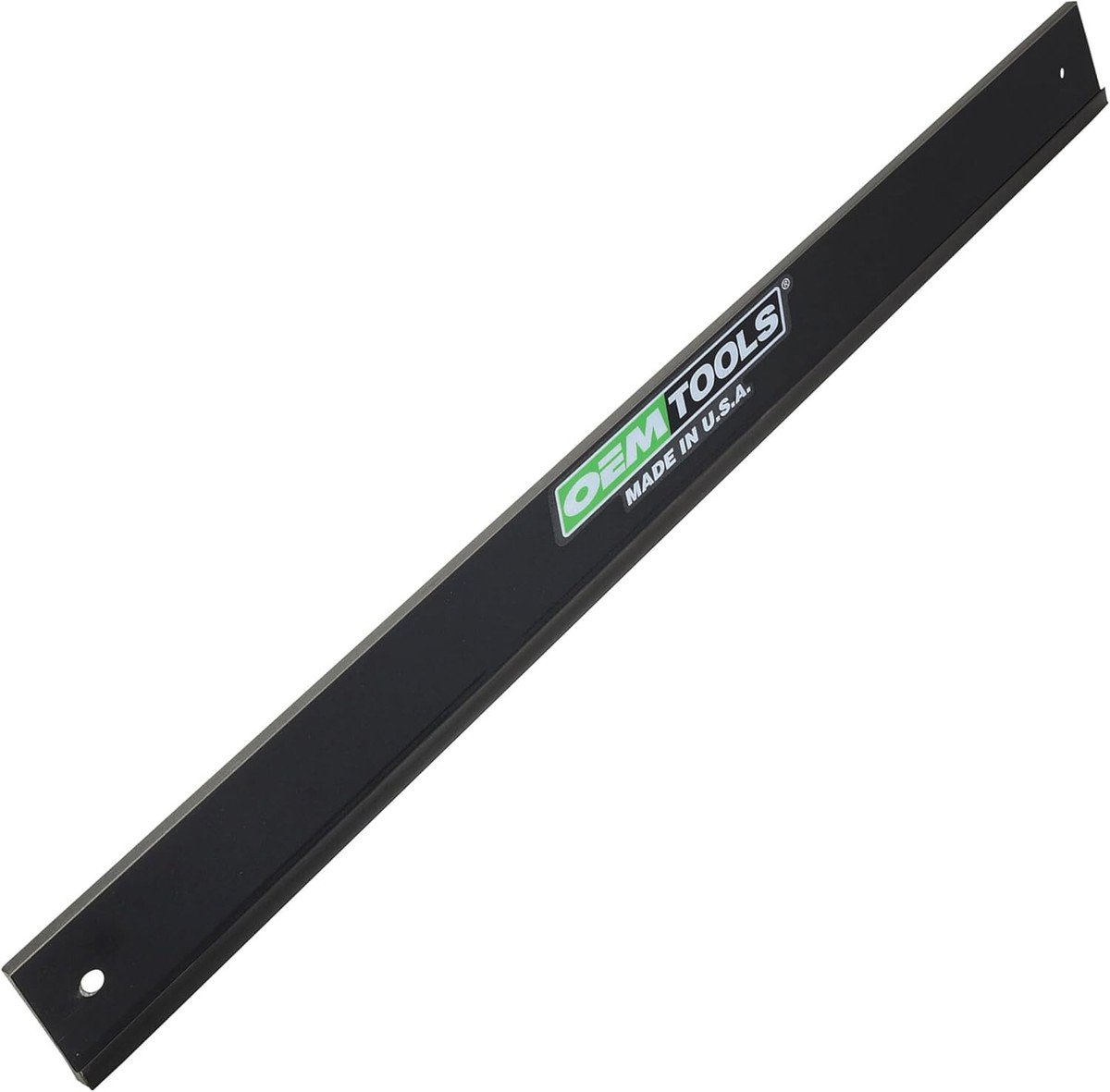
OEM Tools 12-Inch Machinist Straight Edge
Professional-grade 12-inch straight edge crafted from hardened steel with precision-ground edges. Features beveled construction and etched graduations for accurate measurement and inspection in machining applications requiring exceptional precision.
Key Features:
- Hardened steel construction
- Precision-ground straight edge
- Beveled design for easy handling
- Etched measurement graduations
- 12-inch working length
- Professional machinist grade
- Corrosion-resistant finish
- ±0.001-inch accuracy tolerance
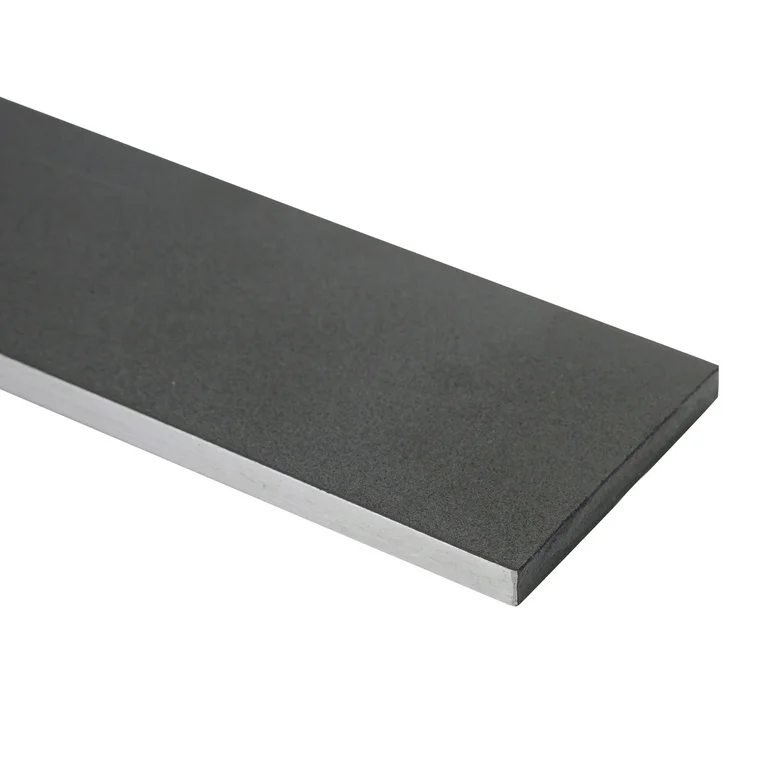
OEM Tools 24-Inch Industrial Straight Edge
Heavy-duty 24-inch straight edge designed for industrial machining and fabrication work. Built with premium steel alloy and featuring knife-edge precision for critical measurement tasks in professional workshops and manufacturing facilities.
Key Features:
- 24-inch extended length
- Knife-edge precision design
- Premium steel alloy construction
- Industrial-grade durability
- Ground and lapped edges
- Temperature-stable materials
- Professional calibration standards
- Laser-etched measurements
Understanding OEM Tools Straight Edge Precision
The oem tools straight edge represents a fundamental instrument in precision machining and measurement applications. These tools provide the accuracy and reliability that professional machinists, engineers, and quality control specialists demand in their daily work.
A quality straight edge serves multiple purposes in the workshop, from checking surface flatness to verifying alignment of machine components. The oem tools straight edge lineup delivers consistent performance across various industrial applications, ensuring measurements meet stringent tolerance requirements.
Precision measuring tools like the oem tools straight edge undergo rigorous manufacturing processes to achieve their exceptional accuracy. Each edge is carefully ground and lapped to maintain straightness within incredibly tight tolerances, typically ranging from 0.0005 to 0.002 inches per foot of length.
Key Features and Construction of OEM Tools Straight Edge
The construction quality of an oem tools straight edge directly impacts its measurement accuracy and longevity. These tools typically feature hardened steel construction that resists wear and maintains dimensional stability over time.
Material Selection and Heat Treatment
Premium straight edges utilize high-carbon steel that undergoes specialized heat treatment processes. This treatment creates a uniform hardness across the entire tool, preventing localized soft spots that could lead to premature wear or dimensional changes.
The oem tools straight edge construction incorporates stress-relief procedures that eliminate internal tensions within the steel. These tensions, if left unaddressed, could cause the tool to warp or lose accuracy over time, particularly when exposed to temperature variations in the workshop environment.
Edge Geometry and Precision Grinding
The working edges of an oem tools straight edge receive precision grinding using specialized machinery capable of maintaining tolerances measured in ten-thousandths of an inch. This grinding process creates perfectly straight reference surfaces that serve as the foundation for accurate measurements.
Beveled edges provide practical advantages during use, allowing the straight edge to lay flat against workpieces while providing clear sight lines for measurement verification. The bevel design also reduces the contact area, minimizing the risk of debris interfering with measurement accuracy.
Applications and Uses in Machining Operations
Professional machinists rely on the oem tools straight edge for numerous critical applications throughout the manufacturing process. Surface plate work represents one of the most common uses, where the straight edge verifies flatness across large workpiece surfaces.
Surface Flatness Verification
When checking surface flatness, the oem tools straight edge is placed against the workpiece surface at various angles and positions. Any gaps between the straight edge and the surface indicate high or low spots that require additional machining or correction.
Feeler gauges work in conjunction with straight edges to quantify the magnitude of surface irregularities. This combination provides precise measurements that guide subsequent machining operations and ensure final parts meet dimensional specifications.
Machine Tool Alignment
Machine tool setup and alignment procedures frequently incorporate straight edge measurements. The oem tools straight edge helps verify that machine slides, ways, and spindles maintain proper geometric relationships necessary for accurate part production.
Similar precision requirements exist across various hand tools and measuring instruments used in professional machining environments, where accuracy directly impacts production quality and efficiency.
Selecting the Right Size OEM Tools Straight Edge
Choosing the appropriate length for an oem tools straight edge depends on the specific measurement requirements and workspace constraints. Common lengths range from 12 inches for precision bench work to 48 inches or longer for large-scale industrial applications.
Length Considerations
Shorter straight edges, typically 12 to 18 inches, excel in precision work where extreme accuracy is required over relatively small dimensions. These tools often feature finer graduations and tighter tolerance specifications suitable for intricate machining operations.
Longer oem tools straight edge options, spanning 24 to 48 inches, serve applications requiring measurement across extended surfaces or alignment verification on larger machine tools. While maintaining excellent accuracy, these tools may have slightly relaxed tolerances per unit length compared to their shorter counterparts.
Accuracy Classes and Standards
Professional straight edges typically conform to recognized accuracy standards such as DIN or ANSI specifications. These standards define permissible deviations from perfect straightness based on the tool’s length and intended application.
The oem tools straight edge lineup includes options suitable for various accuracy requirements, from general shop use to precision inspection applications. Understanding these classifications helps users select tools appropriate for their specific measurement needs and quality standards.
Maintenance and Care for Maximum Accuracy
Proper maintenance ensures an oem tools straight edge maintains its accuracy throughout years of professional use. Regular cleaning, careful storage, and periodic calibration verification form the foundation of an effective maintenance program.
Cleaning and Storage Procedures
Daily cleaning removes machining debris, coolant residue, and other contaminants that could affect measurement accuracy. A clean, lint-free cloth dampened with appropriate cleaning solvent effectively removes most workshop contaminants without damaging the tool’s precision surfaces.
Storage considerations play a crucial role in maintaining straight edge accuracy. Proper storage involves supporting the tool at multiple points to prevent sagging or distortion, while protecting precision edges from impact damage that could compromise measurement capability.
Calibration and Verification
Periodic calibration verification ensures the oem tools straight edge continues meeting accuracy specifications. This process typically involves comparison against certified reference standards using surface plates and precision measuring equipment.
Professional workshops often establish calibration schedules based on usage frequency and critical application requirements. Tools used in quality control applications may require more frequent verification than those used for general shop measurements, ensuring consistent measurement reliability across all operations.
Integration with Other Precision Tools
The oem tools straight edge works most effectively when integrated with complementary measuring instruments and precision tools. This integration creates a comprehensive measurement system capable of addressing complex dimensional verification requirements.
Complementary Measuring Tools
Feeler gauge sets provide the ability to quantify gaps and clearances identified during straight edge measurements. This combination allows precise determination of surface irregularities and geometric deviations that require correction.
Dial indicators mounted on surface gauge bases can work in conjunction with an oem tools straight edge to create highly sensitive measurement setups. These configurations enable detection of variations measured in ten-thousandths of an inch, supporting the most demanding precision applications.
Workshop Integration
Professional machine shops typically maintain comprehensive tool inventories that include various precision measuring instruments alongside their oem tools straight edge collection. The same attention to quality found in specialized tools like precision torque wrenches carries through to every measuring instrument in a well-equipped workshop.
Effective tool organization ensures quick access to the appropriate straight edge length and accuracy class for each specific application. This organization supports efficient workflow while maintaining the tool protection necessary for long-term accuracy preservation.
Frequently Asked Questions
Investing in Quality Precision Measurement
The oem tools straight edge represents an essential investment for any serious machining operation or precision manufacturing facility. These tools provide the accuracy foundation necessary for producing high-quality parts while maintaining the dimensional consistency that modern manufacturing demands.
Selecting the appropriate oem tools straight edge involves careful consideration of accuracy requirements, working length needs, and integration with existing measuring equipment. The initial investment in quality precision tools pays dividends through improved part quality, reduced rework, and enhanced manufacturing capability.
Proper maintenance and handling ensure these precision instruments continue delivering reliable service throughout years of professional use. When combined with appropriate complementary tools and systematic measurement procedures, an oem tools straight edge becomes an indispensable component of any precision measurement system.
The commitment to accuracy and quality that characterizes professional machining operations extends beyond measuring tools to encompass all aspects of the manufacturing process, creating the foundation for consistent production excellence and customer satisfaction.